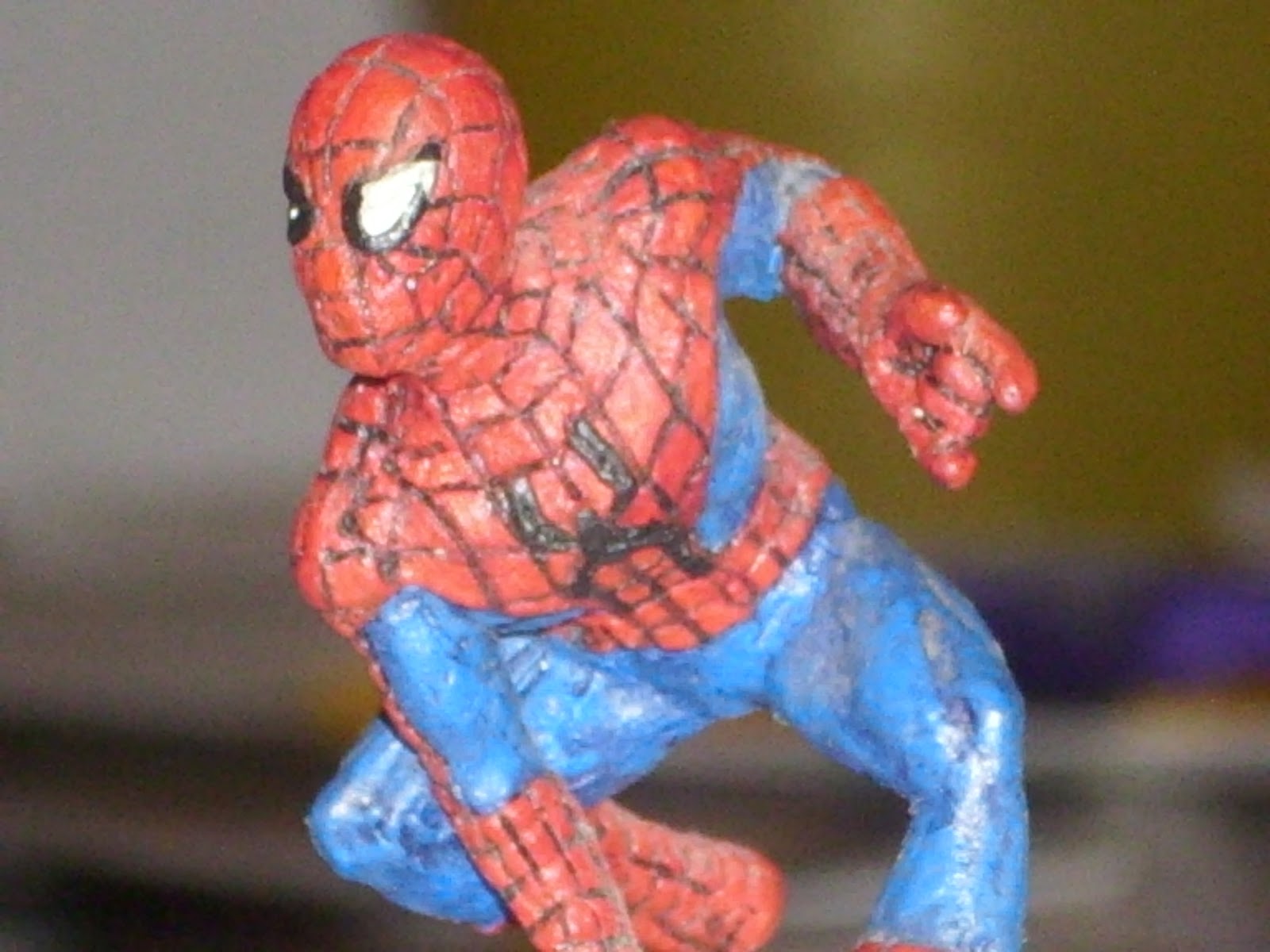
That's both a lie and the truth, the thing about it being super secret. It's not really super secret in that I haven't been hiding it, but I also haven't been talking about it, so I don't think anyone is aware of what I've been doing, which is a bit on purpose, because I wanted to have some content up before I started spreading it around.
Those of you who have been around here know that I do a lot of photography. More photography, lately, than writing, though I am endeavoring to get the writing back on track. I have two basically finished Angel stories that just need to be typed and edited, so I'm hoping to get those up soon. But I also needed something fun to do while doing this whole shelter thing, and I'm running out of photo sets to work from for posting here on the blog. The instagram thing, I suppose, is a way to develop new content, but it's content I won't be posting here. It will be instagram only.
Having said that, I'm not entirely sure how I feel about instagram yet. It's a cumbersome process for me. I do all of my photo work on my computer. I don't think I can even do the kind of stuff I do with my photos on my phone, and, even if I could, I wouldn't want to because of the small screen. Plus, I use my camera much of the time, and I load those photos onto my computer. But you can't upload photos to instagram from a PC, which means I have to send all of the photos I want to upload to my phone first, which I find kind of annoying, but you do what you have to do for the art, right?
And I'm still figuring out all of that. After doing all of the editing work on the first string of photos, I found that instagram wouldn't take the photos at the size they were and was cropping off either the top or the bottom of the photographs, so I had to cut out a story line because I lost that narrative off of the photos. Yeah, sure, I could have re-done them and sent them back to my phone, but I didn't feel like doing that at the time. Oh, well.
SO! First, hop over to instagram and check out my page. THEN! Share it all over the place. It would be nice to have some followers.
No, I'm not sure how long I'll keep this up. I'm also going to be posting new old California pictures, stuff from years ago before I started doing any photo-editing. For now, though, this is a fun side project I'm putting a bit of time into, and I would love for you to check out.
As a bit of a tease, here are the "original" photos that instagram made me trim.
About writing. And reading. And being published. Or not published. On working on being published. Tangents into the pop culture world to come. Especially about movies. And comic books. And movies from comic books.
Showing posts with label miniatures. Show all posts
Tuesday, May 19, 2020
Monday, June 24, 2019
Wednesday, September 3, 2014
Time Enough? (an IWSG post)
"People assume that time is a straight progression of cause to effect but, actually, from a non-linear, non-subjective viewpoint, it's more like a big ball of wibbly-wobbly, timey-wimey... stuff."
Of course, what I want to do is get all philosophical about time, about how time is finite, about what it would be like to be able to step outside of time... Except I can't really imagine that. My view of time is kind of like a painting. Or, maybe, a movie. Time only exists within the movie and, if you could only step out of it, you could see the whole thing at once, be in any part of it. That kind of thing. Except, conceptually, as soon as I remove myself from the movie, I put myself in another one, because I still imagine a sequence of events and, without time, there can't be a sequence, so it's not something I can properly imagine.
None of that is what I really want to talk about anyway...
Sometimes, there are events that remind us of the finite-ness of time, that there will be an ending. At least, for us. Well, for all of time, but I expect TIME to go on much for much longer than I will. At any rate, the sudden departure of Tina Downey of Life Is Good from TIME has served as a reminder. Time is, after all, finite. There's a deadline on the things I want to accomplish in life.
I suppose most people have all sorts of things they want to accomplish and that they all feel like they have plenty of time in which to do it. There's always tomorrow, right? But there's not always tomorrow, and, sometimes, tomorrows quit coming sooner than we think they will.
I know that Tina was writing a book. Mostly, though, I think she was working on the writing skills she would need to really write the book. What it means, though, is that I'll never get to read the book. Neither will you. And, you know, maybe it wouldn't have been any good and, in the scheme of things, it doesn't matter, but, maybe, it would have been life-changing. For me. Or for you. Or for someone. That book that really inspired a life and changed its course.
We'll never know.
I have a lot of books like that. Unfinished ones, I mean; I'm not claiming that I'm writing great, life-changing, works of literature. I have PROJECTS! The idea that I could leave TIME with them unfinished... well, it kind of panics me. I don't want to leave things unfinished. Well, I don't want to leave these things unfinished. I'm sure I will always feel that way about whatever projects I have in the works, but other projects are in the future, and I have nothing invested in that stuff yet. These things, these things I have going on now, I know I don't want to leave still in progress. Especially the stuff that relates to The House on the Corner. Too many people ask me when the next when will be finished for me to be okay with just not doing it.
None of this is meant to change the focus from Tina's passing out of TIME, but it was one of the first things I thought of, "I'll never get to read her book." Which, then, has applications for all of us. Not just writers, all people who are doing things. Who have projects of whatever sort. Some of which sit around and sit around and are left abandoned for months or, even, years on end with the thought, "I'll get to it. Sometime." But "sometime" doesn't always come.
So... I am reminded to look at the things I want to do and evaluate them on the basis of what it's okay with me to leave unfinished. Like, I would like to spend time painting, but it won't really bother me if I leave TIME and there are big stack of unpainted miniatures in my garage. It's not like I'm the only one that could paint them. But no one can write the stories that are in my head. Even with notes about them, no one can write them the way I will, so that's the thing I need to get busy with, working on the things that only I can do so that they're not left unfinished should I have to leave.
And that's what I'm going to go do...
Of course, what I want to do is get all philosophical about time, about how time is finite, about what it would be like to be able to step outside of time... Except I can't really imagine that. My view of time is kind of like a painting. Or, maybe, a movie. Time only exists within the movie and, if you could only step out of it, you could see the whole thing at once, be in any part of it. That kind of thing. Except, conceptually, as soon as I remove myself from the movie, I put myself in another one, because I still imagine a sequence of events and, without time, there can't be a sequence, so it's not something I can properly imagine.
None of that is what I really want to talk about anyway...
Sometimes, there are events that remind us of the finite-ness of time, that there will be an ending. At least, for us. Well, for all of time, but I expect TIME to go on much for much longer than I will. At any rate, the sudden departure of Tina Downey of Life Is Good from TIME has served as a reminder. Time is, after all, finite. There's a deadline on the things I want to accomplish in life.
I suppose most people have all sorts of things they want to accomplish and that they all feel like they have plenty of time in which to do it. There's always tomorrow, right? But there's not always tomorrow, and, sometimes, tomorrows quit coming sooner than we think they will.
I know that Tina was writing a book. Mostly, though, I think she was working on the writing skills she would need to really write the book. What it means, though, is that I'll never get to read the book. Neither will you. And, you know, maybe it wouldn't have been any good and, in the scheme of things, it doesn't matter, but, maybe, it would have been life-changing. For me. Or for you. Or for someone. That book that really inspired a life and changed its course.
We'll never know.
I have a lot of books like that. Unfinished ones, I mean; I'm not claiming that I'm writing great, life-changing, works of literature. I have PROJECTS! The idea that I could leave TIME with them unfinished... well, it kind of panics me. I don't want to leave things unfinished. Well, I don't want to leave these things unfinished. I'm sure I will always feel that way about whatever projects I have in the works, but other projects are in the future, and I have nothing invested in that stuff yet. These things, these things I have going on now, I know I don't want to leave still in progress. Especially the stuff that relates to The House on the Corner. Too many people ask me when the next when will be finished for me to be okay with just not doing it.
None of this is meant to change the focus from Tina's passing out of TIME, but it was one of the first things I thought of, "I'll never get to read her book." Which, then, has applications for all of us. Not just writers, all people who are doing things. Who have projects of whatever sort. Some of which sit around and sit around and are left abandoned for months or, even, years on end with the thought, "I'll get to it. Sometime." But "sometime" doesn't always come.
So... I am reminded to look at the things I want to do and evaluate them on the basis of what it's okay with me to leave unfinished. Like, I would like to spend time painting, but it won't really bother me if I leave TIME and there are big stack of unpainted miniatures in my garage. It's not like I'm the only one that could paint them. But no one can write the stories that are in my head. Even with notes about them, no one can write them the way I will, so that's the thing I need to get busy with, working on the things that only I can do so that they're not left unfinished should I have to leave.
And that's what I'm going to go do...
Friday, August 29, 2014
Ninja Mutants: An Extended Review -- Part Three: A Cultural Phenomenon
Does it come as a surprise that the Teenage Mutant Ninja Turtles started out as a joke? I bet it doesn't to some of you. I think the joke was aimed mostly at Frank Miller, since much of the concept was based off of Daredevil, which Miller was doing at the time, and Ronin, which was Frank Miller's. There are other influences, but, really, those seem to be the biggest. The whole Foot Clan thing was a play on Miller's The Hand, which he created for Daredevil.
I thought it was a joke but not a particularly funny one. I had just started collecting comics seriously around the time TMNT first came out, not that anyone really heard about it at the time, since the first issue had a print run of only around 3200 copies. As Peter Laird said, "It was a goof." It was, they thought, a one-off. A gag. The evidence of that can be seen in that they, Kevin Eastman and Peter Laird, published it as an oversize issue, larger (much) than the standard comic book.
TMNT #1 is currently valued at around $4000.
But the first issue sold out, which lead to a second issue... and a third... Within a year, the Turtles, the gag, had become something so much bigger than Eastman and Laird could ever had imagined. It had taken over their lives. Three years after the debut in 1984, the Turtles were on TV, and Eastman and Laird were busy trying to run a multi-million dollar company, something neither of them had ever dreamed of. Or were exactly happy with. Laird quit drawing, the one thing that had always been a source of happiness for him. Eventually, Eastman sold his rights in the company because he wanted to do things not related to the Turtles.
That's an interesting irony, that Eastman sold his share, because he's the one that has ended up keeping his fingers in the Turtles pie, so to speak, although it's Laird that owns the company and all of that.
By the end of the 80s, the Turtles had become a thing. A rather big thing, in fact, spawning all sorts of copycat titles about things like Radioactive Hamsters and who knows what else. I was busy trying to avoid them. All of them. Rather unsuccessfully since I did a lot of working with kids during the summers. The Turtles were everywhere!
But I didn't have my first real encounter with them until my freshman year of college. I was doing a lot of painting miniatures for money at the time
and someone approached me with a request to paint a set of Turtles miniatures. [I wish I had pictures of those, but, alas, I do not.] They were pretty cool, actually, and it was $$$, so I took the job. Which required research. No, seriously! I had to know how to paint the various characters, not all of which were the Turtles. The miniatures were based off the original comics and had figures I was unfamiliar with. Even April was unfamiliar since, originally, she was a lab assistant (to an Evil Genius), not a reporter.
Which is kind of the point. Eastman and Laird didn't have any plans for the Turtles when they created that first issue of the comic series. When it took off, they made stuff up as the went, just trying to keep up with demand (and failing). What happened was that the Turtles underwent many, let's say, "creative re-boots." When they licensed them out in the mid-80s for the cartoon series, the origin was re-done and April became a reporter. When the work became (quickly) too much for Eastman and Laird to keep up with, they allowed other creators to put their own spin on the Turtles which resulted in many alternate stories and ideas (like one with the Turtles set in medieval Japan). They even had to bring in another creative team at one point to do a completely separate series just to fill in the gaps in the continuity of their own series.
The end result of all of this is that any time the Turtles have changed formats, they have been re-imagined. There is no definitive origin for them, not any more. Maybe not ever. Probably, though, the one most people are familiar with is what came out of the hugely popular cartoon, the one I thought was too dumb to sit through. [I'm just glad my kids have never wanted to watch it!] In fact, most of the negative reaction to the current Bay movie is that the movie owes more to the comic books than it does to the 80s TV show. Perhaps that's why it didn't bother me. The movie, despite having 6' tall, talking turtles, is not cartoonish, and I liked that.
The important thing, though, is something that began as a joke 30 years ago is still here. And not just still here like it's over moldering in some corner somewhere; it's still a pop culture force. I have to say, that first issue, which I did finally read, was pretty brilliant. All of the early issues were. It was a great parody of comics, the same container of radioactive goo that created Daredevil also giving rise to Splinter and the Turtles. It wasn't quite as silly as I thought it was, after all. Okay, the cartoon was silly, but that comic series was... well, it was something new.
Obviously, people liked it, because the Turtles are still here.
Labels:
April O'Neil,
cartoon,
college,
Daredevil,
drawing,
Frank Miller,
Japan,
Kevin Eastman,
Michael Bay,
miniatures,
Peter Laird,
pop culture,
Ronin,
Spider-Man,
Teenage Mutant Ninja Turtles,
TMNT
Wednesday, October 31, 2012
Allegory of the Miniatures (part 5)
That time back in Shreveport was the last time I spent any considerable amount of time painting for other people, although I have sold some figures here and there in the last many years. Most for way too cheap. For instance, I wish I hadn't sold this one, at least not at what I let it go for:
But that's not really the point.
Before I get to the point, here's the last army type group of miniatures I painted. I intended to sell them when I started out on them, but, by the time I was finished with them, I decided I wanted to keep them. It's a group of Eldar troops from Warhammer 40,000.
The main thing here is learning to know what you're good at and recognizing it as such. When you're good at something but go around denying it, it comes off as fake or lame. Either you are so insecure that you have no faith in yourself and refuse to believe other people when they compliment you or you're just playing at the denial to get people to pump you up with comments like, "no, you really are good." Neither option works to your benefit. People get tired of being around someone that refuses to believe in his/herself, and false modesty, eventually, becomes offensive and tiresome as well.
Saying, "I'm good at this," or, even, "I'm better than you at this," is not arrogant when it's demonstrably true; otherwise, it's just delusional. And it's not the same thing as going around acting as if you are the king of the world. Arrogance is saying "I'm better than you at this; therefore, I am better than you." I'm a better football player, so I am better. I'm president of the student council, so I am better. I make more money than you, so I am better. The value of a person is not dependent upon a skill.
Likewise, humility is not acting as if you're not as good as other people. Humility is lifting other people up. Helping to elevate them. Being willing to bend down and give someone a hand. It doesn't do anyone any good when you can see that someone needs help with something and, yet, you go around self-effacingly saying, "no, really, you're great!" to that person and not helping them. Humility is being willing to get down in the ditch in your best suit and pulling someone out of the mess they're in. Humility is saying being aware that having more money or more power or more fame does not make you more worthy of person-ness.
So, as I've said in the past, yes, it's important to know where your skills are lacking, important to know in what areas you need to ask for help, but it's equally important to know what you're good at so that you know when to offer a hand to someone else that could use some help.
I am not the best painter out there. Far from it. If you want to see some really great painting, look up the Golden Demon winners from the miniature contest that Games Workshop does every year. Those things are amazing, and I sometimes wish I had invested the time to get that good. However, I was the best painter in the group I hung out with and, probably in that corner of Louisiana. If there was anyone better he was sequestered in a basement somewhere not letting anyone see what he was doing. At that point, it doesn't really matter anyway.
I spent a lot of time painting with my friends and showing them different techniques, not hoarding my knowledge. Yeah, I spent time putting myself out of business, as it were. The guy who bought me all the paints used to come over and paint with me all the time. We'd get two miniatures of the same type, and I'd show him what I was doing while he tried to reproduce it. And my cousin... well, my cousin would come over and paint so that he could get me to "help" him on the detail stuff that he couldn't do. Yeah, it was his way to get out of paying me to paint for him, but, hey, it gave me someone to talk to when I'd otherwise have been sitting there alone.
As the title says, all of this is an allegory. When I talk about grammar and punctuation, it is no way meant to be about "being better than anyone." I am, however, better at grammar and punctuation. No, I don't know that about each and every one of you individually, but I do know that in a general sense I'm better at grammar and punctuation. So, if I talk about comma usage, it's not about me going off about being better; it's about me trying to give you the tools to also be better. Like sitting down and painting with you and showing you how to do a proper dry brush stroke. If I review a book and talk about repetitive use of the word "then," it's not about me saying that I'm a better writer or a better person; it's to point out that there is such a thing as overuse of that word. I'm sure I have my own word reliances of which I may not always be aware. Like suddenly.
Anyway... I hate the idea of explaining an analogy, but, after you work with kids long enough, you kind of learn to explain everything. Better to explain it than to leave it open to someone not getting the point. So, if you know what I was talking about this whole time, that was great. If you didn't, don't tell anyone. Just say, "oh, yeah, I knew you were talking about grammar all along" and let it go at that.
Which is not to say that the painting story wasn't true; it was. I also felt like talking about painting. One of these days I'll get back to it for a little while.
But that's not really the point.
Before I get to the point, here's the last army type group of miniatures I painted. I intended to sell them when I started out on them, but, by the time I was finished with them, I decided I wanted to keep them. It's a group of Eldar troops from Warhammer 40,000.
The main thing here is learning to know what you're good at and recognizing it as such. When you're good at something but go around denying it, it comes off as fake or lame. Either you are so insecure that you have no faith in yourself and refuse to believe other people when they compliment you or you're just playing at the denial to get people to pump you up with comments like, "no, you really are good." Neither option works to your benefit. People get tired of being around someone that refuses to believe in his/herself, and false modesty, eventually, becomes offensive and tiresome as well.
Saying, "I'm good at this," or, even, "I'm better than you at this," is not arrogant when it's demonstrably true; otherwise, it's just delusional. And it's not the same thing as going around acting as if you are the king of the world. Arrogance is saying "I'm better than you at this; therefore, I am better than you." I'm a better football player, so I am better. I'm president of the student council, so I am better. I make more money than you, so I am better. The value of a person is not dependent upon a skill.
Likewise, humility is not acting as if you're not as good as other people. Humility is lifting other people up. Helping to elevate them. Being willing to bend down and give someone a hand. It doesn't do anyone any good when you can see that someone needs help with something and, yet, you go around self-effacingly saying, "no, really, you're great!" to that person and not helping them. Humility is being willing to get down in the ditch in your best suit and pulling someone out of the mess they're in. Humility is saying being aware that having more money or more power or more fame does not make you more worthy of person-ness.
So, as I've said in the past, yes, it's important to know where your skills are lacking, important to know in what areas you need to ask for help, but it's equally important to know what you're good at so that you know when to offer a hand to someone else that could use some help.
I am not the best painter out there. Far from it. If you want to see some really great painting, look up the Golden Demon winners from the miniature contest that Games Workshop does every year. Those things are amazing, and I sometimes wish I had invested the time to get that good. However, I was the best painter in the group I hung out with and, probably in that corner of Louisiana. If there was anyone better he was sequestered in a basement somewhere not letting anyone see what he was doing. At that point, it doesn't really matter anyway.
I spent a lot of time painting with my friends and showing them different techniques, not hoarding my knowledge. Yeah, I spent time putting myself out of business, as it were. The guy who bought me all the paints used to come over and paint with me all the time. We'd get two miniatures of the same type, and I'd show him what I was doing while he tried to reproduce it. And my cousin... well, my cousin would come over and paint so that he could get me to "help" him on the detail stuff that he couldn't do. Yeah, it was his way to get out of paying me to paint for him, but, hey, it gave me someone to talk to when I'd otherwise have been sitting there alone.
As the title says, all of this is an allegory. When I talk about grammar and punctuation, it is no way meant to be about "being better than anyone." I am, however, better at grammar and punctuation. No, I don't know that about each and every one of you individually, but I do know that in a general sense I'm better at grammar and punctuation. So, if I talk about comma usage, it's not about me going off about being better; it's about me trying to give you the tools to also be better. Like sitting down and painting with you and showing you how to do a proper dry brush stroke. If I review a book and talk about repetitive use of the word "then," it's not about me saying that I'm a better writer or a better person; it's to point out that there is such a thing as overuse of that word. I'm sure I have my own word reliances of which I may not always be aware. Like suddenly.
Anyway... I hate the idea of explaining an analogy, but, after you work with kids long enough, you kind of learn to explain everything. Better to explain it than to leave it open to someone not getting the point. So, if you know what I was talking about this whole time, that was great. If you didn't, don't tell anyone. Just say, "oh, yeah, I knew you were talking about grammar all along" and let it go at that.
Which is not to say that the painting story wasn't true; it was. I also felt like talking about painting. One of these days I'll get back to it for a little while.
Wednesday, October 24, 2012
Allegory of the Miniatures (part 4)
The time of the death of my boss, the owner of the used book store I worked at, was a time of change in my life. Not because of his death, but there were some ways in which it was related. To make a long story short, though, I ended up hooking up with a gaming group in Shreveport. I should reiterate, at this point, that I had never been a "gamer" as the term was understood at that time (which has nothing to do with how it's understood now, which all has to do with video games and MMOs). I'd played some Battletech, but that's about it, and I'd done that mostly with people who also were not gamers.
I had, however, been on the fringe of the... let's call it the gaming community... for years. It's hard not to have some acquaintance with gamers when you work in a store that sells comic books. For one thing, I ended up being the one that would order all of their gaming equipment. And, as you have heard, I'd been painting miniatures for gaming purposes for more than half a dozen years by that point. So I ended up involved in this group of gamers in Shreveport, one of which happened to be my cousin, whom I'd also gone to high school with and played Battletech with and spent one (disastrous) semester at college with, and several others of whom I'd also gone to high school with, although I hadn't known some of them at the time. One of them had known me because of my painting, but, evidently, he'd never stuck in my head, probably because he was a junior or senior while I was a freshman.
This all started out with some RPGs. Actually, it started out with the Warhammer RPG, and ended up with RPG once a week at this guy's house, which ended up in Warhammer Fantasy Battle. He had this huge army of goblins and orcs, and, as it turned out, tabletop gaming was what he and a couple of the other guys were really into. As it also turned out, all of these guys are guys that I had been in high school with. Have I mentioned before that I went to a smart kid, geek high school? Well, if you happened to gloss over that fact, this ought to be all the proof that you need. Evidently, the whole strategy tabletop game thing lends itself very well to a higher IQ level, so we had had a pretty high concentration of tabletop gamers at my high school.
All of this, again, caused a change in my painting career.
As I've stated, I had been painting exclusively with oils up to this point. The question of me painting came up, because some of the guys knew I'd painted miniatures for people back in high school, so I showed them the few things I had, which included the green dragon.
(Remember, this is not how he looked at the time. Back then, he had metallic green plates, for one thing.) One of the guys very soon began asking me to paint some figures for him, but he wanted them done in acrylics.
I didn't own any water based paints. At all. I was working on my mechs,
and I was using oils on those. I told him I'd paint for him but that it would need to be in oils as I wasn't reinvesting in acrylics.
He continued to bug me about it. And bug me about it. Until I said something along the lines of "if you want to buy me some acrylic paints, I'll be glad to paint whatever it is you want me to paint in acrylics." I was, of course, joking, because it never even entered my mind that someone would want me to paint for them so badly that they would go out and buy me paints to do it with. About a week later, he showed up with this big paint kit that came with something like 20 or 25 different colors of paint and a selection of brushes and asked me how many minis I'd paint for him if he gave it all to me.
This lead to me painting for nearly everyone in the group at some point or another. Any time anyone had a miniature or unit of miniatures they wanted to look especially good, they brought them to me. I spent several years painting figures for people and not painting my own.
The strangest thing in all of this, though, is that one day I went into this comic shop, a little hole-in-the-wall shop, that I had never been in before. I often stopped in small shops like that, because you could often find good deals on "hot" issues of comics, so I'd stopped in to look around. My cousin may have been with me. I think someone was, at any rate, because, somehow, my name got mentioned, and this guy, the owner of this shop, a guy I had never seen before, knew who I was. "You're that guy that paints, right?" I think I had that deer looking at headlights look, but, evidently, my fame, or whatever it was, had proceeded me.
This guy literally pulled out a couple hundred Essex 15mm Confederate troop miniatures and said, "What would you charge me to paint these?" I think I made a bad deal in regards to those particular miniatures, because I'd never done 15mm figures before, and I just didn't know the kind of monotony I was getting myself into by agreeing. I used so much grey paint over the years painting figures for him it wasn't even funny. Except, I think it was funny to my cousin, because he used to laugh at my Confederate soldier painting assembly line. At any rate, the rates for me painting for him went up every time I took on a new order, and I was so sick of those guys by the end, but I couldn't bring myself to just tell him "no," because he couldn't do it himself (he showed me some of the figures he'd tried to do), and no one else could either. No one he knew, anyway. I wish I had a picture of that army that I painted for him, but this was more than 15 years ago, and it never occurred to me that I would have a reason to have pictures of them one day.
The point, here, for this section of this story is that it's not a good idea, necessarily to marry yourself to just one medium. Or on genre. Or whatever. It's good to try new things. Of course, the big issue for me at the time is that I couldn't see the benefit in reinvesting. I figured I'd been doing fine with oils for, well, years, and the truth was that I had been doing fine with them. BUT! But I surpassed everything I'd been doing in oils by the switch to acrylics. There was just so much more I could do. Washes, inks, dry brushing, detailing. I couldn't do any of that stuff with oils, and I knew that, but I'd lost sight of the value in it from not having worked with acrylics in about 10 years, since I'd stopped doing the ceramic stuff.
In the same way, I don't want to get trapped in any one particular literary genre. I like fantasy. I really do. I probably prefer fantasy, in fact, in my reading, but I like a lot of other stuff, too, and I'm finding I'm having more and more story ideas that aren't related to fantasy at all. I want to try new things.
I think a lot of people trap themselves in their own heads with these identity ideas, "I'm a romance writer" or "I'm a fantasy writer" or "I'm a sci-fi writer." It's like locking yourself in a box. Get out of the box. Try new things. Write new things. Play with new things. There's no telling what you may find that you're good at!
Next time, we'll finish this story up.
I had, however, been on the fringe of the... let's call it the gaming community... for years. It's hard not to have some acquaintance with gamers when you work in a store that sells comic books. For one thing, I ended up being the one that would order all of their gaming equipment. And, as you have heard, I'd been painting miniatures for gaming purposes for more than half a dozen years by that point. So I ended up involved in this group of gamers in Shreveport, one of which happened to be my cousin, whom I'd also gone to high school with and played Battletech with and spent one (disastrous) semester at college with, and several others of whom I'd also gone to high school with, although I hadn't known some of them at the time. One of them had known me because of my painting, but, evidently, he'd never stuck in my head, probably because he was a junior or senior while I was a freshman.
This all started out with some RPGs. Actually, it started out with the Warhammer RPG, and ended up with RPG once a week at this guy's house, which ended up in Warhammer Fantasy Battle. He had this huge army of goblins and orcs, and, as it turned out, tabletop gaming was what he and a couple of the other guys were really into. As it also turned out, all of these guys are guys that I had been in high school with. Have I mentioned before that I went to a smart kid, geek high school? Well, if you happened to gloss over that fact, this ought to be all the proof that you need. Evidently, the whole strategy tabletop game thing lends itself very well to a higher IQ level, so we had had a pretty high concentration of tabletop gamers at my high school.
All of this, again, caused a change in my painting career.
As I've stated, I had been painting exclusively with oils up to this point. The question of me painting came up, because some of the guys knew I'd painted miniatures for people back in high school, so I showed them the few things I had, which included the green dragon.
(Remember, this is not how he looked at the time. Back then, he had metallic green plates, for one thing.) One of the guys very soon began asking me to paint some figures for him, but he wanted them done in acrylics.
I didn't own any water based paints. At all. I was working on my mechs,
and I was using oils on those. I told him I'd paint for him but that it would need to be in oils as I wasn't reinvesting in acrylics.
He continued to bug me about it. And bug me about it. Until I said something along the lines of "if you want to buy me some acrylic paints, I'll be glad to paint whatever it is you want me to paint in acrylics." I was, of course, joking, because it never even entered my mind that someone would want me to paint for them so badly that they would go out and buy me paints to do it with. About a week later, he showed up with this big paint kit that came with something like 20 or 25 different colors of paint and a selection of brushes and asked me how many minis I'd paint for him if he gave it all to me.
This lead to me painting for nearly everyone in the group at some point or another. Any time anyone had a miniature or unit of miniatures they wanted to look especially good, they brought them to me. I spent several years painting figures for people and not painting my own.
The strangest thing in all of this, though, is that one day I went into this comic shop, a little hole-in-the-wall shop, that I had never been in before. I often stopped in small shops like that, because you could often find good deals on "hot" issues of comics, so I'd stopped in to look around. My cousin may have been with me. I think someone was, at any rate, because, somehow, my name got mentioned, and this guy, the owner of this shop, a guy I had never seen before, knew who I was. "You're that guy that paints, right?" I think I had that deer looking at headlights look, but, evidently, my fame, or whatever it was, had proceeded me.
This guy literally pulled out a couple hundred Essex 15mm Confederate troop miniatures and said, "What would you charge me to paint these?" I think I made a bad deal in regards to those particular miniatures, because I'd never done 15mm figures before, and I just didn't know the kind of monotony I was getting myself into by agreeing. I used so much grey paint over the years painting figures for him it wasn't even funny. Except, I think it was funny to my cousin, because he used to laugh at my Confederate soldier painting assembly line. At any rate, the rates for me painting for him went up every time I took on a new order, and I was so sick of those guys by the end, but I couldn't bring myself to just tell him "no," because he couldn't do it himself (he showed me some of the figures he'd tried to do), and no one else could either. No one he knew, anyway. I wish I had a picture of that army that I painted for him, but this was more than 15 years ago, and it never occurred to me that I would have a reason to have pictures of them one day.
The point, here, for this section of this story is that it's not a good idea, necessarily to marry yourself to just one medium. Or on genre. Or whatever. It's good to try new things. Of course, the big issue for me at the time is that I couldn't see the benefit in reinvesting. I figured I'd been doing fine with oils for, well, years, and the truth was that I had been doing fine with them. BUT! But I surpassed everything I'd been doing in oils by the switch to acrylics. There was just so much more I could do. Washes, inks, dry brushing, detailing. I couldn't do any of that stuff with oils, and I knew that, but I'd lost sight of the value in it from not having worked with acrylics in about 10 years, since I'd stopped doing the ceramic stuff.
In the same way, I don't want to get trapped in any one particular literary genre. I like fantasy. I really do. I probably prefer fantasy, in fact, in my reading, but I like a lot of other stuff, too, and I'm finding I'm having more and more story ideas that aren't related to fantasy at all. I want to try new things.
I think a lot of people trap themselves in their own heads with these identity ideas, "I'm a romance writer" or "I'm a fantasy writer" or "I'm a sci-fi writer." It's like locking yourself in a box. Get out of the box. Try new things. Write new things. Play with new things. There's no telling what you may find that you're good at!
Next time, we'll finish this story up.
Tuesday, October 16, 2012
Allegory of the Miniatures (part 3)
Which brings us to college...
And this is a much longer story, but I'm gonna cut to the part where I was working in a used book store in charge of the comic books. It was rather like a dream job at the time. Heck, it's still kind of a dream job. The owner of the place bought things, frequently, on whims, which was the state of things when I started working for him. For whatever reason, he had miniature sets kind of all over the place, but, mostly, he had Grenadier's Dragon of the Month kits.
During my freshman year at college, a bunch of us had started playing Battletech, so I had started painting again. And my boss had all of these dragons lying around. I started lusting after them. I couldn't afford them, though; however, all I really wanted to do was paint them.
Now, he'd had these sets lying around for, well, years, actually and never sold a single one, which is I why he gave me the job of being in charge of the comics and everything that went along with them, because, as evidenced, he was no good at deciding what to stock. But that's beside the point. Because he's had them lying around for years, I said, "Hey, why don't you let me paint a couple of these, and we'll put them on display and see if they sell." What the heck, right?
Just a note: I was still using oils, but oils had these great metallics that you couldn't get in acrylics at the time. Games Workshop rectified that sometime or other and, eventually, other companies followed with some excellent (acrylic) paints. [Just a personal note to any of you out there involved in this stuff: Games Workshop has what are probably the highest quality miniatures on the market if you're using them for gaming. They lack diversity, though, because their minis support their games. However, I don't much care for their paints. They tend to dry too glossy for my tastes.]
So here's how this worked:
These dragon kits sold for $10.00. They were lead, and they were heavy. He paid me $5.00 each to paint a few of them, and he put them up in display case (with the expensive comics) for $20.00 each. Remember, he'd been collecting these up for years and had never sold a single one (I think he had something like 3 dozen dragons. I know! He couldn't tell me why he'd kept buying them, either, but there it was). As soon as he started putting them in the case, people started buying them. I literally could not paint them quickly enough. People started coming in just looking for the dragons. Even after he marked them up to $30.00. No, I didn't get a raise in how much I was being paid to paint them.
I still have one of them, though.
The only reason I have it is that my boss, the owner of the store, died, and it was the last one I had painted. That's not the original paint job. After he died, his son (or someone) boxed up a bunch of stuff that was mine (the dragon was mine because he didn't want it, I guess); he dropped it or something and broke it to pieces. Maybe that's why he gave it me. At any rate, that dragon had a hard life of having to be fixed over and over again. Eventually, I re-primed him and painted him with acrylics (you could never get a look like this with oils).
I do, now, have a large collection of (unpainted) dragons. Unpainted, because I've never had anywhere to display them if I did paint them, and they're easier to store in their disassembled states. One day, though...
In a lot of ways, this was like working for a publisher. I did the work, and he made the money. Sure, I got paid a decent amount for doing the painting, I suppose, and I got the enjoyment of doing the painting, but he made four times off of each figure what I did, and that was when he was selling them for $30.00, because there were certain of the dragons, like the Gold Dragon
and the Spectral Dragon,
that he would sell for $50.00. You could say that both of us got what we wanted out of it, and, in some respects, that would be true, but I was never happy with the disparity; there was just nothing I could do about it if I wanted to get to paint the dragons.
It's too bad miniatures cost so much these days, or I might consider going back into dragon painting. However, your general dragon miniature starts at around $25.00 these days, and the nice ones (the ones that are more along the scale of the Grenadier dragons) are much higher (like this one from Games Workshop that's more than $50.00).
So... I've kept it no secret about how I feel about traditional publishing and the way traditional publishers are just out to use authors for monetary gain, but, by my own experience, I can't say that there's not a time and a place for them. I would never enter into a deal, now, like the one I was in then, but at that time and in that place, it served my needs. I suppose what I would say about that in relation to traditional publishing, now, is that, if you're looking at traditional publishing, do make sure that it is actually going to serve your needs. Don't find out after the fact that you've been lead into a relationship that is only going to take advantage of you and give you nothing in return.
Next: how I spent years painting a Confederate army and how I came to hate the color grey.
Oh, and, just in case anyone is interested, that Green Dragon is still for sale. heh
And this is a much longer story, but I'm gonna cut to the part where I was working in a used book store in charge of the comic books. It was rather like a dream job at the time. Heck, it's still kind of a dream job. The owner of the place bought things, frequently, on whims, which was the state of things when I started working for him. For whatever reason, he had miniature sets kind of all over the place, but, mostly, he had Grenadier's Dragon of the Month kits.
During my freshman year at college, a bunch of us had started playing Battletech, so I had started painting again. And my boss had all of these dragons lying around. I started lusting after them. I couldn't afford them, though; however, all I really wanted to do was paint them.
Now, he'd had these sets lying around for, well, years, actually and never sold a single one, which is I why he gave me the job of being in charge of the comics and everything that went along with them, because, as evidenced, he was no good at deciding what to stock. But that's beside the point. Because he's had them lying around for years, I said, "Hey, why don't you let me paint a couple of these, and we'll put them on display and see if they sell." What the heck, right?
Just a note: I was still using oils, but oils had these great metallics that you couldn't get in acrylics at the time. Games Workshop rectified that sometime or other and, eventually, other companies followed with some excellent (acrylic) paints. [Just a personal note to any of you out there involved in this stuff: Games Workshop has what are probably the highest quality miniatures on the market if you're using them for gaming. They lack diversity, though, because their minis support their games. However, I don't much care for their paints. They tend to dry too glossy for my tastes.]
So here's how this worked:
These dragon kits sold for $10.00. They were lead, and they were heavy. He paid me $5.00 each to paint a few of them, and he put them up in display case (with the expensive comics) for $20.00 each. Remember, he'd been collecting these up for years and had never sold a single one (I think he had something like 3 dozen dragons. I know! He couldn't tell me why he'd kept buying them, either, but there it was). As soon as he started putting them in the case, people started buying them. I literally could not paint them quickly enough. People started coming in just looking for the dragons. Even after he marked them up to $30.00. No, I didn't get a raise in how much I was being paid to paint them.
I still have one of them, though.
The only reason I have it is that my boss, the owner of the store, died, and it was the last one I had painted. That's not the original paint job. After he died, his son (or someone) boxed up a bunch of stuff that was mine (the dragon was mine because he didn't want it, I guess); he dropped it or something and broke it to pieces. Maybe that's why he gave it me. At any rate, that dragon had a hard life of having to be fixed over and over again. Eventually, I re-primed him and painted him with acrylics (you could never get a look like this with oils).
I do, now, have a large collection of (unpainted) dragons. Unpainted, because I've never had anywhere to display them if I did paint them, and they're easier to store in their disassembled states. One day, though...
In a lot of ways, this was like working for a publisher. I did the work, and he made the money. Sure, I got paid a decent amount for doing the painting, I suppose, and I got the enjoyment of doing the painting, but he made four times off of each figure what I did, and that was when he was selling them for $30.00, because there were certain of the dragons, like the Gold Dragon
and the Spectral Dragon,
that he would sell for $50.00. You could say that both of us got what we wanted out of it, and, in some respects, that would be true, but I was never happy with the disparity; there was just nothing I could do about it if I wanted to get to paint the dragons.
It's too bad miniatures cost so much these days, or I might consider going back into dragon painting. However, your general dragon miniature starts at around $25.00 these days, and the nice ones (the ones that are more along the scale of the Grenadier dragons) are much higher (like this one from Games Workshop that's more than $50.00).
So... I've kept it no secret about how I feel about traditional publishing and the way traditional publishers are just out to use authors for monetary gain, but, by my own experience, I can't say that there's not a time and a place for them. I would never enter into a deal, now, like the one I was in then, but at that time and in that place, it served my needs. I suppose what I would say about that in relation to traditional publishing, now, is that, if you're looking at traditional publishing, do make sure that it is actually going to serve your needs. Don't find out after the fact that you've been lead into a relationship that is only going to take advantage of you and give you nothing in return.
Next: how I spent years painting a Confederate army and how I came to hate the color grey.
Oh, and, just in case anyone is interested, that Green Dragon is still for sale. heh
Wednesday, October 10, 2012
Allegory of the Miniatures (part 2)
So... Giant robot models. They were a turning point I didn't see coming. These things
were fully articulated, which was really cool. They were a whole new level of complexity and a lot of fun to build, because, if you messed them up, they wouldn't move, and you didn't want that. My robot models were the envy of the neighborhood and the end of my career selling models. See, after I started on the robots, I never went back to mere airplanes again, and I wouldn't sell my robots. Period. I had a table in my room with all of them set up on it. This was one of my favorites:
A few of them even transformed.
There were at least three variations on the transforming kit. Basically, they were all the same model, but, you know, I had to have each one. Besides, they were the most challenging, because the pieces had to be able to slide around. A kid that lived across the street bought one, because I wouldn't sell him mine, and he didn't even get the basic airplane mode out of his. His ended up a huge mess that he dumped on me to see if I could fix, but, you know, once those things are glued, there's not much you can do with them.
Anyway... High school started. I had this one friend; he was kind of my only friend at the time. Yeah, middle school was not a happy time for me, but, then, who is it a happy time for? But I digress...
I had this one friend who was in the school D&D club. Now, I didn't play D&D or any RPGs or anything, because, well, my parents wouldn't have approved. Not that I ever asked, because, when I was in about 6th grade, I'd ordered the books Clash of the Titans and Dragonslayer from my Scholastic order form at school, and my dad threw them away when I brought them home, because they had "magic" in them. It was rather traumatic and the end of any discussion with my parents about what I was reading. I figured role playing games were a bit too far to push it, though, so I'd never gotten involved. At that point.
Anyway... I had this friend, also a freshman, in the D&D club, and he mentioned to them my giant robot models. For some reason, none of them believed they existed. I think, by this time, the models were no longer being available in stores (I know I wasn't able to find them anymore, at any rate), so he started begging me to bring them to school to show the club. After a few weeks, I succumbed, and I brought a few of them to school with me. I have to say it didn't help my "nerd rating" and I already went to a nerd school, as my brother used to say.
Just to put this in perspective, these giant robots came with pilots. You can see the head of one looking out through the turret from the tank above. The "glass" cockpit cover on the top robot opened, and you could see the cockpit interior and pilot in there, too. These little pilot figures were around the size of 20mm miniatures, the standard size for D&D. Actually, they were slightly smaller, but close enough. And this is where everything changed:
1. I discovered that there was a game called Battletech that was based on this giant robot idea. It was more of a board/tabletop game than an RPG (at the time), and I immediately got interested in it. When my friend moved later that year, he gave me his Battletech stuff, which consisted of the basic game and one book of mechs.
2. I got flooded with requests to paint miniatures from guys in the D&D club. Yeah, they were so impressed with my models that they all wanted me to paint their figures for them. I started out charging $1.00 a figure but pretty quickly found that that wasn't going to work. See, one guy immediately brought me a huge bag of 30-40 loose figures, which I thought was pretty good money, but everyone else started offering me more money to bump their figures up the painting list. In the end, I was getting around $3.00/figure for fairly basic paint jobs. And, remember, I was using oils, because I just kept right on using my model paints. It was what I was used to using. The detail on the minis wasn't great, but it was a lot better than what they'd had doing it themselves, so everyone was happy.
Eventually, I started buying mech miniatures of my own for Battletech and started painting those, too. When I was a junior, the school shut the D&D club down, and, between that and the fact that I was never home anymore, I quit painting for other people. At that time. I continued to use oils on my miniatures for the next many years, but more on that next time...
Here are some pics of my oil painted mechs (ignore the dust contamination (I will never figure out how things accumulate dust while in a box!) and missing antennas). Several of these are the same class as the models I have. Wherever they are.
were fully articulated, which was really cool. They were a whole new level of complexity and a lot of fun to build, because, if you messed them up, they wouldn't move, and you didn't want that. My robot models were the envy of the neighborhood and the end of my career selling models. See, after I started on the robots, I never went back to mere airplanes again, and I wouldn't sell my robots. Period. I had a table in my room with all of them set up on it. This was one of my favorites:
A few of them even transformed.
There were at least three variations on the transforming kit. Basically, they were all the same model, but, you know, I had to have each one. Besides, they were the most challenging, because the pieces had to be able to slide around. A kid that lived across the street bought one, because I wouldn't sell him mine, and he didn't even get the basic airplane mode out of his. His ended up a huge mess that he dumped on me to see if I could fix, but, you know, once those things are glued, there's not much you can do with them.
Anyway... High school started. I had this one friend; he was kind of my only friend at the time. Yeah, middle school was not a happy time for me, but, then, who is it a happy time for? But I digress...
I had this one friend who was in the school D&D club. Now, I didn't play D&D or any RPGs or anything, because, well, my parents wouldn't have approved. Not that I ever asked, because, when I was in about 6th grade, I'd ordered the books Clash of the Titans and Dragonslayer from my Scholastic order form at school, and my dad threw them away when I brought them home, because they had "magic" in them. It was rather traumatic and the end of any discussion with my parents about what I was reading. I figured role playing games were a bit too far to push it, though, so I'd never gotten involved. At that point.
Anyway... I had this friend, also a freshman, in the D&D club, and he mentioned to them my giant robot models. For some reason, none of them believed they existed. I think, by this time, the models were no longer being available in stores (I know I wasn't able to find them anymore, at any rate), so he started begging me to bring them to school to show the club. After a few weeks, I succumbed, and I brought a few of them to school with me. I have to say it didn't help my "nerd rating" and I already went to a nerd school, as my brother used to say.
Just to put this in perspective, these giant robots came with pilots. You can see the head of one looking out through the turret from the tank above. The "glass" cockpit cover on the top robot opened, and you could see the cockpit interior and pilot in there, too. These little pilot figures were around the size of 20mm miniatures, the standard size for D&D. Actually, they were slightly smaller, but close enough. And this is where everything changed:
1. I discovered that there was a game called Battletech that was based on this giant robot idea. It was more of a board/tabletop game than an RPG (at the time), and I immediately got interested in it. When my friend moved later that year, he gave me his Battletech stuff, which consisted of the basic game and one book of mechs.
2. I got flooded with requests to paint miniatures from guys in the D&D club. Yeah, they were so impressed with my models that they all wanted me to paint their figures for them. I started out charging $1.00 a figure but pretty quickly found that that wasn't going to work. See, one guy immediately brought me a huge bag of 30-40 loose figures, which I thought was pretty good money, but everyone else started offering me more money to bump their figures up the painting list. In the end, I was getting around $3.00/figure for fairly basic paint jobs. And, remember, I was using oils, because I just kept right on using my model paints. It was what I was used to using. The detail on the minis wasn't great, but it was a lot better than what they'd had doing it themselves, so everyone was happy.
Eventually, I started buying mech miniatures of my own for Battletech and started painting those, too. When I was a junior, the school shut the D&D club down, and, between that and the fact that I was never home anymore, I quit painting for other people. At that time. I continued to use oils on my miniatures for the next many years, but more on that next time...
Here are some pics of my oil painted mechs (ignore the dust contamination (I will never figure out how things accumulate dust while in a box!) and missing antennas). Several of these are the same class as the models I have. Wherever they are.
Thunderbolts (I have this in model form)
Hunchback (one of my favorite mechs) and a... Commando? I think. (no models for these)
Rifleman and Archer (no models for these, either)
Crusader (I think there was a model for this one, but I can't remember for sure)
Both of these were models.
As was this one (pictured above).
Both of these were models.
As was this one (pictured above).
The only writing lesson I have from this is that sometimes you can take what you learned in one genre (models) and apply it to another genre (miniatures). Although I loved models and would kind of like to sit down and do one now, they never brought the same satisfaction as painting miniatures. I wouldn't have guessed that when I was 12, though. You have to be open to growth and change.
Note:
Make sure you come back on Monday for an awesome give away!
Yeah, some of you may have what I'll be giving away, but it will still be awesome, and you can tell all your friends that don't have it!
Labels:
Battletech,
mech,
miniatures,
model kit,
models,
painting,
Revell,
robot,
Robotech,
RPG
Tuesday, October 9, 2012
Allegory of the Miniatures (part 1)
[Disclaimer: Some of this information is located in my "crafty" tab. There are also pictures there, if you haven't already seen them.]
I started painting when I was pretty young. Not like finger painting, either. What I mean is that I got serious about it at a point when most kids aren't interested in devoting that much time to something that requires that much sitting. Now, I loved to play outside as much (or more) than the next kid, but I also wanted my models to look good. Maybe it was my love of Star Wars that did it.
See, it was Star Wars that really sparked my interest in models. I'd had a few kits, but, like everyone else, I just put them together right out of the box with only the naked plastic to show for it. That meant airplanes that were completely white or cars that were completely black. Or red. But, mostly, black. That all changed when, around the age of 8, I got my first Star Wars model kit: an X-wing fighter. I loved it! Except I wasn't happy with it when it was all finished, because X-wing fighters, while mostly white, are not completely white, and I needed my model kit to look like an X-wing fighter. A real one. So I demanded model paints.
Just to be clear for those of you that don't know, model paints are oil based. Yes, this will be important. They have to be oil based, because water based paints, acrylics, won't stick to plastic. They just run off. Unless you prime the miniature, first, with a base coat of paint that acrylics will stick to, but I was 8, and I had no idea about any of that stuff. What I knew was that there were special paints for models in the model section of the toys, and I wanted some.
You do know that there is no longer a model section in most toy departments, right? It kind of makes me sad. Model building is actually something I would love to do with my kids, but, even if stores did still carry models, they are now much too expensive, which, I'm sure, is why stores don't carry them anymore. The same kit I might have paid $3.00 for when I was kid would be at least $30.00 these days, and, unfortunately, it's just not worth it.
Anyway... I started painting my models, but I still wasn't happy with them. For one thing, I wasn't really able to get them to look as good as I wanted them to look, but, mostly, it was that the idea, as it was presented to me, that you put the kit together, and, then, you painted it. This caused some problems, especially with airplane kits, in that, when you were finished, you'd have a painted exterior, but everything in the cockpit (or the interior of the car) was bare plastic, and it really detracted from the overall look of the models.
During this same time period, I was learning about various painting styles from my mother in her ceramics class at my church. The real issue, though, was that we used acrylics on the ceramics, and they are a lot more versatile than oils. Really, the only way you can do anything interesting with oils is by doing airbrushing, which I wanted to do, but airbrush kits were expensive, and I wasn't willing to save up to buy one when I didn't know how to use it. Let me just say that you can't do any kind of real detail work with oils without an airbrush because the paint dries too quickly on any kind of detail brush, and the oil paints completely ruin brushes that aren't made specifically for them, and those brushes don't come in detail size.
The important things to know are that by middle school, I had
1. learned a pretty good bit about painting on a large scale by doing ceramics.
2. taken to painting the pieces of my model kits as I assembled them so that the interiors were also painted.
What all of this lead to was me owning a bunch of models that I didn't really want anymore, because I'd progressed so far beyond the skill I was at when I first did the older kits. Although I could go back and paint the exteriors, I couldn't take them apart and paint the insides. This lead to some creativity.
I had a thing for magnifying glasses, and I had pretty cool one that had a 6" diameter. I liked setting off firecrackers with it when we had fireworks at the 4th of July. Sometimes I'd lite the fuses, but, sometimes, I'd burn right into through the body of the firecracker. We never got a lot of fireworks, so this kind of stuff made them last a lot longer. A lot of my friends would blow up their models at the 4th every year, but that was too easy and no fun. What I decided to do was to use my magnifying glass to make "battle damage" on the models. I eventually worked out some cool techniques which left them looking like they had smoke damage and all sorts of things. Once I finished giving a model I didn't want anymore "enough" battle damage, I would completely melt it down with the magnifying glass. Yeah, it probably wasn't the safest thing to be doing, but it was a lot of fun.
This went on until I got to some airplane that the kid across the street really liked. I mean, he really liked it, and he protested me destroying the plane. After a prolonged argument, he decided he would buy it from me to keep me melting it down. How could I refuse that? That first model, I sold for the same thing I paid for it. I figured it was a bargain, and I went out and bought a new kit. Pretty soon, I had kids from all throughout the neighborhood buying models from me. I sort of couldn't keep up with the demand. In fact, I sold off all of the models I didn't really want at an increasing rate that allowed me to buy more and more kits. I sold them all until I was down to the models I really wanted to keep, and I got offered some pretty high prices for some of those. Well, they seemed high to me. There was this one plane in particular that I got consistent offers of $15 for, a kit I'd paid, probably, $3 for, but I wouldn't sell it, because it was my favorite one. Sometimes, kids would go buy kits and pay me to build and paint them for them. It was a pretty sweet business for a 12-year-old is all I can say.
All of this continued until I discovered giant robot models.
I had most of these, and, actually, theoretically, they are still in storage at my parents' house, though I have no idea what kind of condition they may be in after all of this time. I wish I had pictures of my actual work, but this was 30 years ago, so you're just out of luck. I had almost every kit they made, though, and they were really cool as the robots stood over a foot tall. But more on all of this next time...
Note:
Just to relate all of this to writing in a more direct way than the overall allegory I'm building:
Learning to write is rather like building a model kit. At first, everyone just puts the kit together and ends up with a rather plain looking whatever with no embellishment. Eventually, you figure out about painting and decals so that the it's a little dressier, but it's still not much on complexity. And even more eventually, you learn how to build your writing piece by piece just like painting the interior portions of the model first. Your writing gains depth and complexity and, maybe, even your own customizations like battle damage or mixing kits or whatever. You don't start out at the end, though. You have to learn to just glue the kits together in the beginning.
I started painting when I was pretty young. Not like finger painting, either. What I mean is that I got serious about it at a point when most kids aren't interested in devoting that much time to something that requires that much sitting. Now, I loved to play outside as much (or more) than the next kid, but I also wanted my models to look good. Maybe it was my love of Star Wars that did it.
See, it was Star Wars that really sparked my interest in models. I'd had a few kits, but, like everyone else, I just put them together right out of the box with only the naked plastic to show for it. That meant airplanes that were completely white or cars that were completely black. Or red. But, mostly, black. That all changed when, around the age of 8, I got my first Star Wars model kit: an X-wing fighter. I loved it! Except I wasn't happy with it when it was all finished, because X-wing fighters, while mostly white, are not completely white, and I needed my model kit to look like an X-wing fighter. A real one. So I demanded model paints.
Just to be clear for those of you that don't know, model paints are oil based. Yes, this will be important. They have to be oil based, because water based paints, acrylics, won't stick to plastic. They just run off. Unless you prime the miniature, first, with a base coat of paint that acrylics will stick to, but I was 8, and I had no idea about any of that stuff. What I knew was that there were special paints for models in the model section of the toys, and I wanted some.
You do know that there is no longer a model section in most toy departments, right? It kind of makes me sad. Model building is actually something I would love to do with my kids, but, even if stores did still carry models, they are now much too expensive, which, I'm sure, is why stores don't carry them anymore. The same kit I might have paid $3.00 for when I was kid would be at least $30.00 these days, and, unfortunately, it's just not worth it.
Anyway... I started painting my models, but I still wasn't happy with them. For one thing, I wasn't really able to get them to look as good as I wanted them to look, but, mostly, it was that the idea, as it was presented to me, that you put the kit together, and, then, you painted it. This caused some problems, especially with airplane kits, in that, when you were finished, you'd have a painted exterior, but everything in the cockpit (or the interior of the car) was bare plastic, and it really detracted from the overall look of the models.
During this same time period, I was learning about various painting styles from my mother in her ceramics class at my church. The real issue, though, was that we used acrylics on the ceramics, and they are a lot more versatile than oils. Really, the only way you can do anything interesting with oils is by doing airbrushing, which I wanted to do, but airbrush kits were expensive, and I wasn't willing to save up to buy one when I didn't know how to use it. Let me just say that you can't do any kind of real detail work with oils without an airbrush because the paint dries too quickly on any kind of detail brush, and the oil paints completely ruin brushes that aren't made specifically for them, and those brushes don't come in detail size.
The important things to know are that by middle school, I had
1. learned a pretty good bit about painting on a large scale by doing ceramics.
2. taken to painting the pieces of my model kits as I assembled them so that the interiors were also painted.
What all of this lead to was me owning a bunch of models that I didn't really want anymore, because I'd progressed so far beyond the skill I was at when I first did the older kits. Although I could go back and paint the exteriors, I couldn't take them apart and paint the insides. This lead to some creativity.
I had a thing for magnifying glasses, and I had pretty cool one that had a 6" diameter. I liked setting off firecrackers with it when we had fireworks at the 4th of July. Sometimes I'd lite the fuses, but, sometimes, I'd burn right into through the body of the firecracker. We never got a lot of fireworks, so this kind of stuff made them last a lot longer. A lot of my friends would blow up their models at the 4th every year, but that was too easy and no fun. What I decided to do was to use my magnifying glass to make "battle damage" on the models. I eventually worked out some cool techniques which left them looking like they had smoke damage and all sorts of things. Once I finished giving a model I didn't want anymore "enough" battle damage, I would completely melt it down with the magnifying glass. Yeah, it probably wasn't the safest thing to be doing, but it was a lot of fun.
This went on until I got to some airplane that the kid across the street really liked. I mean, he really liked it, and he protested me destroying the plane. After a prolonged argument, he decided he would buy it from me to keep me melting it down. How could I refuse that? That first model, I sold for the same thing I paid for it. I figured it was a bargain, and I went out and bought a new kit. Pretty soon, I had kids from all throughout the neighborhood buying models from me. I sort of couldn't keep up with the demand. In fact, I sold off all of the models I didn't really want at an increasing rate that allowed me to buy more and more kits. I sold them all until I was down to the models I really wanted to keep, and I got offered some pretty high prices for some of those. Well, they seemed high to me. There was this one plane in particular that I got consistent offers of $15 for, a kit I'd paid, probably, $3 for, but I wouldn't sell it, because it was my favorite one. Sometimes, kids would go buy kits and pay me to build and paint them for them. It was a pretty sweet business for a 12-year-old is all I can say.
All of this continued until I discovered giant robot models.
I had most of these, and, actually, theoretically, they are still in storage at my parents' house, though I have no idea what kind of condition they may be in after all of this time. I wish I had pictures of my actual work, but this was 30 years ago, so you're just out of luck. I had almost every kit they made, though, and they were really cool as the robots stood over a foot tall. But more on all of this next time...
Note:
Just to relate all of this to writing in a more direct way than the overall allegory I'm building:
Learning to write is rather like building a model kit. At first, everyone just puts the kit together and ends up with a rather plain looking whatever with no embellishment. Eventually, you figure out about painting and decals so that the it's a little dressier, but it's still not much on complexity. And even more eventually, you learn how to build your writing piece by piece just like painting the interior portions of the model first. Your writing gains depth and complexity and, maybe, even your own customizations like battle damage or mixing kits or whatever. You don't start out at the end, though. You have to learn to just glue the kits together in the beginning.
Labels:
acrylic,
Defenders,
miniatures,
model kit,
models,
oil based,
painting,
Revell,
robot,
Robotech,
toys,
water based
Tuesday, October 2, 2012
Doing Your Best With What You Have (an IWSG post)
I hate my camera...
I've been taking pictures of some old miniatures I pulled out of storage recently. Well, I didn't exactly mean to go digging around for miniatures, but, a couple of weeks ago when I was pulling bikes out of the garage, I noticed that the clasps on my miniature case had, um, exploded. From the heat. Not that it gets all that hot in the garage, but the case was on top of a stack of boxes that stopped just under a window, so it had been in the sun all summer. The case is old (like 20 years old) and plastic, so I suppose the daily exposure to the sun caused the clasps to shatter. I brought it in to make sure the miniatures were okay (they were) and decided I should get some pictures up on Facebook with my other miniature pictures. [I think this link should allow anyone that wants to see what I've posted so far to see. I think.]
[But here's a teaser:
All of that to say, "I hate my camera." It's old, and it's wearing out. It often refuses to focus. I can hear the mechanism inside trying, but it just won't do it. Then, of course, there was the whole episode while at Disneyland when the camera refused to even turn on.
But it's what I have at the moment, so I do the best I can with it. Yeah, I could go buy a new one, but I don't want to just go out and buy another cheap camera that wouldn't really be any better than this one, so I'm working with the one I have until we can actually get something better.
And that's how life is a lot of the time. You do what you can with what you have rather than just do nothing. Not that some people don't choose to just do nothing, but how much sense does that really make? When you wait for everything to be "perfect," you don't ever do anything.
I mean, for most of us, owning a car is always like this. You drive the piece of crap you have, right? Do you ever really go outside to go to work and look at your car and think, "I can't go to work in this. I'll wait till I have a better car, a new car, before I go to work." If you don't go to work, that new car will never happen, so you make do with the car that ought to be wearing a diaper and needs chemo for the cancer it has because it won't quit smoking.
All of this goes for writing and everything related to writing. You do what you can with what you have at the moment and keep trying to make it better. Better by degrees. And you learn from it.
When I finished The House on the Corner, I didn't have any money to pay for anything like, oh, a cover or marketing or anything. Which is still true, but, you know, doing the best I can. Anyway, I'd finished it and, after some research, knew I wasn't interested in pursuing traditional publishing, so it was time to do the best I could, which was this:
It's not what I wanted, but it's what I had, so I went with it rather than not drive to work, as it were. The thing is, if I hadn't gone with that, I would never have gotten to this:
Better by degrees.
It can be hard to look at what other people have and look at what you have and decide to keep going. It would be so much easier to just give up. Let the piece of crap in the driveway continue to sit in the driveway and hide in your house because you're too ashamed to be seen driving around in that book with no cover.
And I have to mention it: editing.
Editing is a big deal. A poorly edited book can be a huge issue for a lot of people. BUT! As hard as I seem to be on the whole editing thing sometimes, I'm not as bad as I sound. As I said back in this post, my real issue is with people who have the "I'm not gonna leave the house" attitude about editing. "I could do better, but I'm going to choose not to because it's too much trouble." That bothers me. If you have a good story, it's well written, and you've utilized all of you editing avenues, you should not stick your book in a drawer because it doesn't look good. Drive that "piece of crap" (being metaphorical here -- I don't mean it's a piece of crap necessarily) to work, just like I drove my coverless book, and keep making it better by degrees. As you learn new things or have more resources, make it better. Make it the best that it can be at any given moment.
That's all anyone can do -- the best you can with what you have at any given moment. And don't be intimidated by the fact that some people have better than you. Some people just start out with more. No, it's not fair, but that's how life is. It shouldn't stop you from doing the best that you can right now.
end of line...
But don't forget to come back tomorrow for the FREE! release of part 6 of Shadow Spinner:
I've been taking pictures of some old miniatures I pulled out of storage recently. Well, I didn't exactly mean to go digging around for miniatures, but, a couple of weeks ago when I was pulling bikes out of the garage, I noticed that the clasps on my miniature case had, um, exploded. From the heat. Not that it gets all that hot in the garage, but the case was on top of a stack of boxes that stopped just under a window, so it had been in the sun all summer. The case is old (like 20 years old) and plastic, so I suppose the daily exposure to the sun caused the clasps to shatter. I brought it in to make sure the miniatures were okay (they were) and decided I should get some pictures up on Facebook with my other miniature pictures. [I think this link should allow anyone that wants to see what I've posted so far to see. I think.]
[But here's a teaser:
All of that to say, "I hate my camera." It's old, and it's wearing out. It often refuses to focus. I can hear the mechanism inside trying, but it just won't do it. Then, of course, there was the whole episode while at Disneyland when the camera refused to even turn on.
But it's what I have at the moment, so I do the best I can with it. Yeah, I could go buy a new one, but I don't want to just go out and buy another cheap camera that wouldn't really be any better than this one, so I'm working with the one I have until we can actually get something better.
And that's how life is a lot of the time. You do what you can with what you have rather than just do nothing. Not that some people don't choose to just do nothing, but how much sense does that really make? When you wait for everything to be "perfect," you don't ever do anything.
I mean, for most of us, owning a car is always like this. You drive the piece of crap you have, right? Do you ever really go outside to go to work and look at your car and think, "I can't go to work in this. I'll wait till I have a better car, a new car, before I go to work." If you don't go to work, that new car will never happen, so you make do with the car that ought to be wearing a diaper and needs chemo for the cancer it has because it won't quit smoking.
All of this goes for writing and everything related to writing. You do what you can with what you have at the moment and keep trying to make it better. Better by degrees. And you learn from it.
When I finished The House on the Corner, I didn't have any money to pay for anything like, oh, a cover or marketing or anything. Which is still true, but, you know, doing the best I can. Anyway, I'd finished it and, after some research, knew I wasn't interested in pursuing traditional publishing, so it was time to do the best I could, which was this:
It's not what I wanted, but it's what I had, so I went with it rather than not drive to work, as it were. The thing is, if I hadn't gone with that, I would never have gotten to this:
Better by degrees.
It can be hard to look at what other people have and look at what you have and decide to keep going. It would be so much easier to just give up. Let the piece of crap in the driveway continue to sit in the driveway and hide in your house because you're too ashamed to be seen driving around in that book with no cover.
And I have to mention it: editing.
Editing is a big deal. A poorly edited book can be a huge issue for a lot of people. BUT! As hard as I seem to be on the whole editing thing sometimes, I'm not as bad as I sound. As I said back in this post, my real issue is with people who have the "I'm not gonna leave the house" attitude about editing. "I could do better, but I'm going to choose not to because it's too much trouble." That bothers me. If you have a good story, it's well written, and you've utilized all of you editing avenues, you should not stick your book in a drawer because it doesn't look good. Drive that "piece of crap" (being metaphorical here -- I don't mean it's a piece of crap necessarily) to work, just like I drove my coverless book, and keep making it better by degrees. As you learn new things or have more resources, make it better. Make it the best that it can be at any given moment.
That's all anyone can do -- the best you can with what you have at any given moment. And don't be intimidated by the fact that some people have better than you. Some people just start out with more. No, it's not fair, but that's how life is. It shouldn't stop you from doing the best that you can right now.
end of line...
But don't forget to come back tomorrow for the FREE! release of part 6 of Shadow Spinner:
Monday, October 1, 2012
Remembering Miniatures
I haven't talked about the fact that I paint in a while. Mostly, it's because I haven't done any painting in a longer while. Since I got serious with the whole writing thing back in 2010, I pretty much set the brush aside. I just haven't had the time for it. Not to mention the fact that all of my painting stuff is still packed up since we moved last year, and I haven't worked out yet where to set any of it up.
But I've really been wanting to paint, lately. And do some gaming. Tabletop gaming. Oh, yeah, before you get all confused, I don't do canvas painting; I paint miniatures. I used to also do tabletop wargaming with them, but it's been even longer since I've done that. Like 20 years. Not that I haven't done tiny bits of tabletopping in there, but I haven't done anything serious in 20 years. It's one of the things I miss doing, but there's just not time or space for it, right now.
But I digress...
All I really want to do today is show you some pictures of some of my old figures from when I played Warhammer Fantasy Battle. My main army was Wood Elves.
This is not an army. This is a unit of rangers.
All of the shields are individually painted. No decals.
One of the reasons I loved Wood Elves is that the Wood Elf army gets Treemen.
Who wouldn't want one of those on your side?
They also got beast masters, which were pretty cool, too.
But the main thing about the Wood Elf army that I loved was the Wardancers.
They didn't wear armor, because they had magic tattoos. Yeah, my guy doesn't have any tattoos (long story that has nothing to do with the miniatures -- maybe one day I'll explain), but he's still cool.
Here is the commander of the ranger unit:
And the sorceress:
And the musician:
Anyway... that's just a look. I have some more stuff coming up about miniatures and painting, so I thought I'd let you guys see what I'll be talking about before I talk about it.
But I've really been wanting to paint, lately. And do some gaming. Tabletop gaming. Oh, yeah, before you get all confused, I don't do canvas painting; I paint miniatures. I used to also do tabletop wargaming with them, but it's been even longer since I've done that. Like 20 years. Not that I haven't done tiny bits of tabletopping in there, but I haven't done anything serious in 20 years. It's one of the things I miss doing, but there's just not time or space for it, right now.
But I digress...
All I really want to do today is show you some pictures of some of my old figures from when I played Warhammer Fantasy Battle. My main army was Wood Elves.
This is not an army. This is a unit of rangers.
All of the shields are individually painted. No decals.
One of the reasons I loved Wood Elves is that the Wood Elf army gets Treemen.
Who wouldn't want one of those on your side?
They also got beast masters, which were pretty cool, too.
But the main thing about the Wood Elf army that I loved was the Wardancers.
They didn't wear armor, because they had magic tattoos. Yeah, my guy doesn't have any tattoos (long story that has nothing to do with the miniatures -- maybe one day I'll explain), but he's still cool.
Here is the commander of the ranger unit:
And the sorceress:
And the musician:
Anyway... that's just a look. I have some more stuff coming up about miniatures and painting, so I thought I'd let you guys see what I'll be talking about before I talk about it.
Subscribe to:
Posts (Atom)